Wood Flooring Supplier Vietnam: A Guide for Commercial Projects
Mora Vietnam | Building Materials Supplier
Helping Buyers Choose the Right Flooring for Long-Term Performance
Choosing wood flooring for a commercial project is rarely just about appearance. Architects, developers, contractors, and procurement teams must balance durability, maintenance, budget, installation requirements, and long-term performance before making a decision.
Understanding these differences helps project teams select the right flooring solution based on the specific needs of each development rather than simply choosing the more expensive or more familiar option.
Two of the most common options are engineered wood flooring and solid wood flooring. While both offer the warmth and natural beauty of real wood, they differ significantly in construction, stability, maintenance, and suitability for different environments.
Understanding the Difference
Although both products feature natural wood, their internal construction is completely different.
What Is Engineered Wood Flooring?
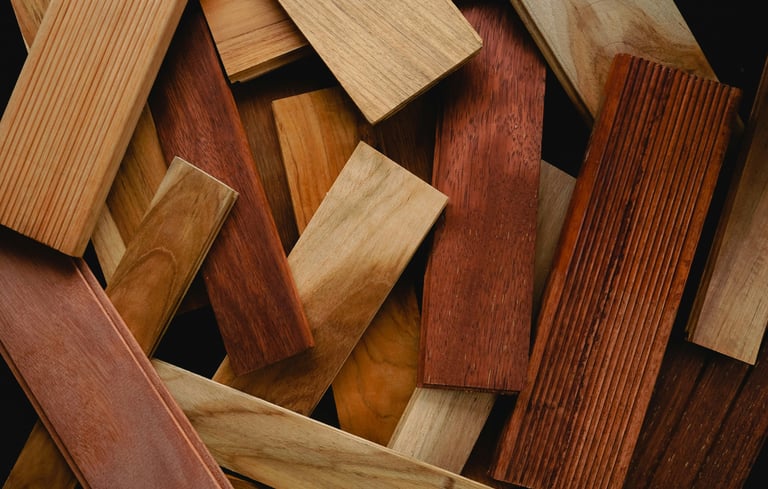
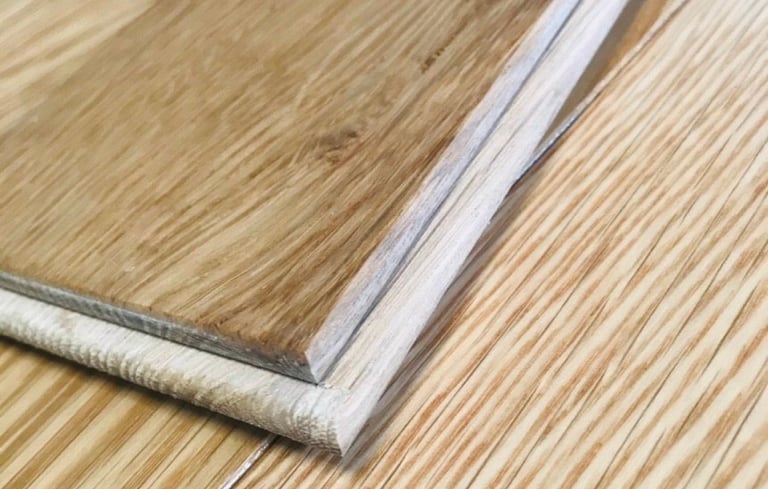
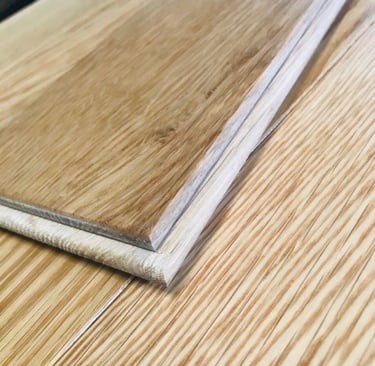
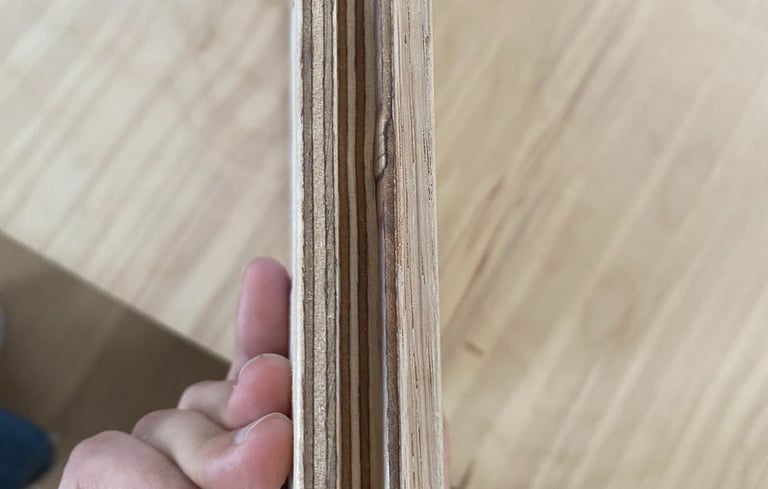
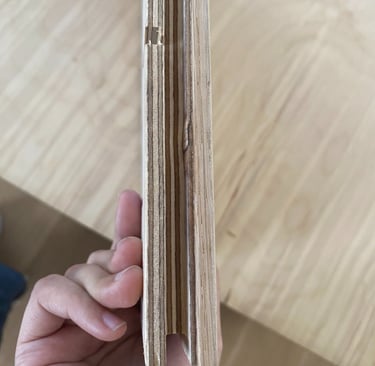
Engineered wood flooring consists of a real hardwood wear layer bonded to multiple layers of plywood or engineered wood. This layered construction improves dimensional stability and reduces movement caused by changes in temperature and humidity.
Because of its stability, engineered flooring is widely used in commercial interiors where environmental conditions may fluctuate throughout the year.
Typical applications include:
Hotels
Offices
Restaurants
Retail stores
Apartments
Luxury residential developments
What Is Solid Wood Flooring?
Solid wood flooring is manufactured from a single piece of hardwood throughout its entire thickness.
It offers a timeless appearance and can be refinished multiple times over its lifespan, making it an attractive choice for premium residential and luxury commercial projects.
However, because it is made from solid timber, it naturally expands and contracts as humidity changes.
This characteristic makes proper installation and climate control especially important.
Comparing Engineered and Solid Wood Flooring
Dimensional Stability
Solid wood flooring, while durable, is more sensitive to seasonal humidity changes and may require additional expansion gaps and environmental control.
Installation
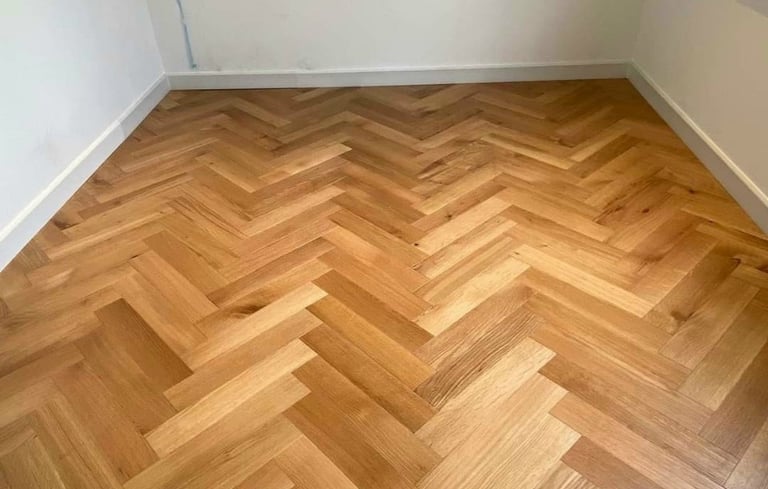
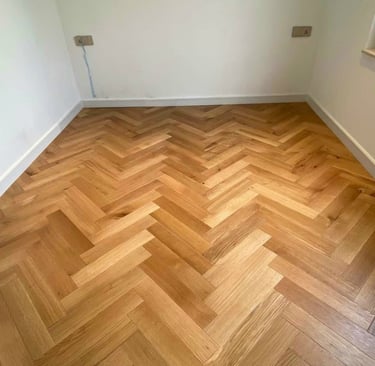
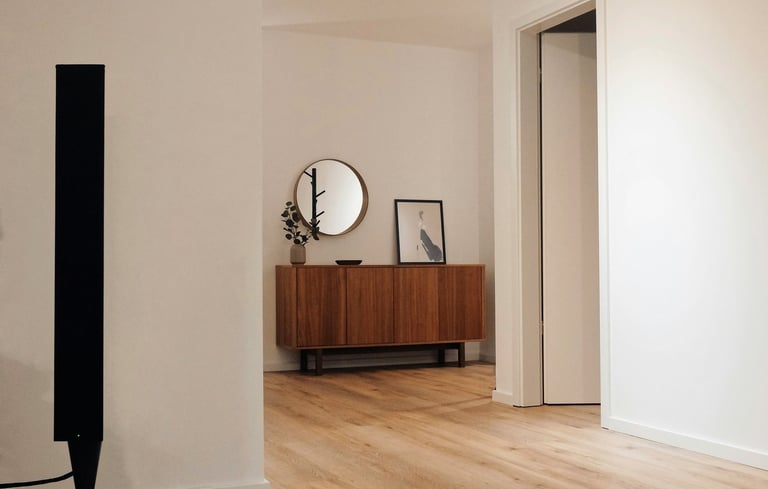
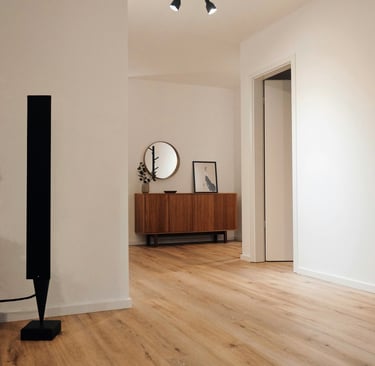
Commercial projects often require fast and efficient installation to meet construction schedules.
For commercial projects, dimensional stability is often one of the most important considerations.
Engineered wood flooring performs exceptionally well because its layered construction minimizes expansion and contraction.
Best choice: Engineered wood flooring
Durability
Both flooring types can provide excellent durability when manufactured with quality materials.
Solid wood flooring has the advantage of allowing multiple sanding and refinishing cycles over many years.
Engineered flooring, however, offers impressive durability for most commercial applications, particularly when finished with high-performance protective coatings.
Best choice: Depends on the project's long-term maintenance strategy.
Engineered wood flooring is generally easier and more flexible to install because it is available in multiple installation systems, including floating, glue-down, and click-lock options.
Solid wood flooring typically requires more precise installation methods and additional site preparation.
Best choice: Engineered wood flooring
Moisture Resistance
Hotels, offices, and mixed-use developments often experience varying indoor humidity levels.
Engineered flooring performs better under these conditions due to its multi-layer construction.
Solid wood flooring requires more stable environmental conditions to maintain optimal performance.
Best choice: Engineered wood flooring
Appearance
Visually, both flooring types can achieve premium results.
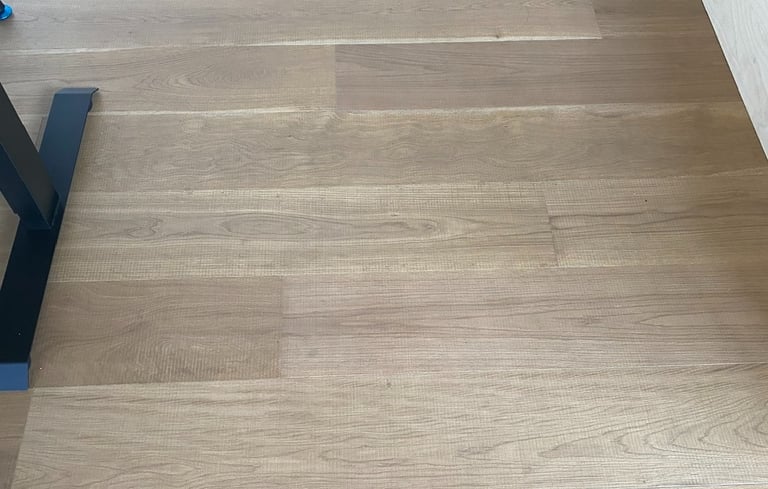
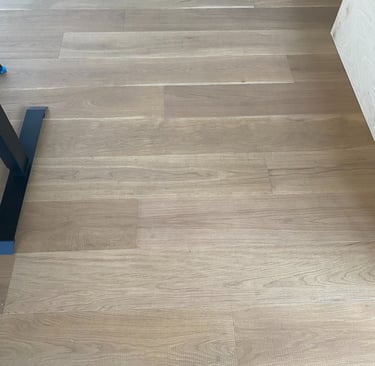
Because engineered flooring uses a genuine hardwood surface layer, most people cannot distinguish it from solid wood once installed.
The choice often depends more on design preferences than appearance alone.
Result: Comparable for most commercial interiors
Long-Term Maintenance
Solid wood flooring offers greater refinishing potential over several decades.
Engineered flooring can also be refinished, depending on the thickness of the hardwood wear layer, although the number of refinishing cycles is generally lower.
Project owners should consider expected building usage, maintenance schedules, and lifecycle costs before making a decision.
Which Flooring Is Better for Hotels?
Hotels require flooring that combines durability, visual appeal, and efficient maintenance.
These characteristics make engineered flooring a practical solution for guest rooms, corridors, lounges, and other hospitality spaces.
Engineered wood flooring is often preferred because it offers:
Excellent dimensional stability
Consistent appearance
Faster installation
Better performance under changing environmental conditions
Lower maintenance requirements
Which Flooring Is Better for Offices?
Office environments typically prioritize durability, ease of maintenance, and minimal disruption during installation.
Engineered wood flooring is commonly selected because it supports:
Large installation areas
Stable performance
Efficient installation
Modern interior design requirements
For executive offices or premium corporate spaces, solid wood flooring may also be considered where long-term refinishing is a priority.
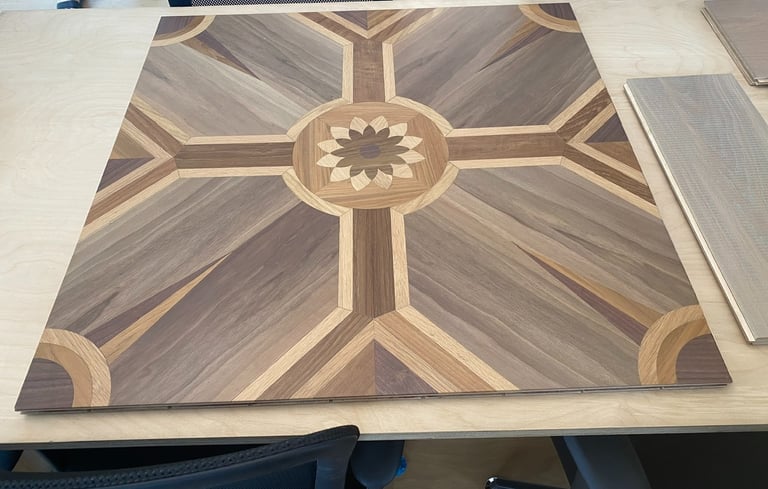
Which Flooring Is Better for Luxury Residential Projects?
Luxury residential developments often balance aesthetics with long-term value.
Both flooring options may be suitable depending on the homeowner's expectations.
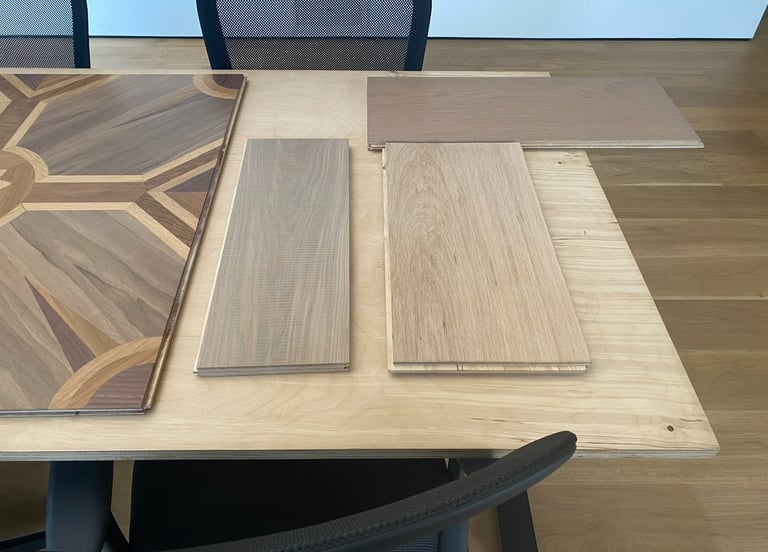
Engineered flooring offers greater stability while maintaining the appearance of natural hardwood.
Solid wood flooring appeals to buyers seeking traditional craftsmanship and the ability to refinish the floor multiple times.
Factors Buyers Should Consider Before Choosing a Supplier
Selecting the right flooring product is only part of the decision.
International buyers should also evaluate whether a supplier can consistently deliver products that meet project specifications.
Important considerations include:
Manufacturing capacity
Product consistency
Moisture control
Surface finish quality
Packaging standards
Export experience
Quality control procedures
A reliable supplier helps reduce project risks and improve installation outcomes.
How Mora Supply Supports Commercial Flooring Projects
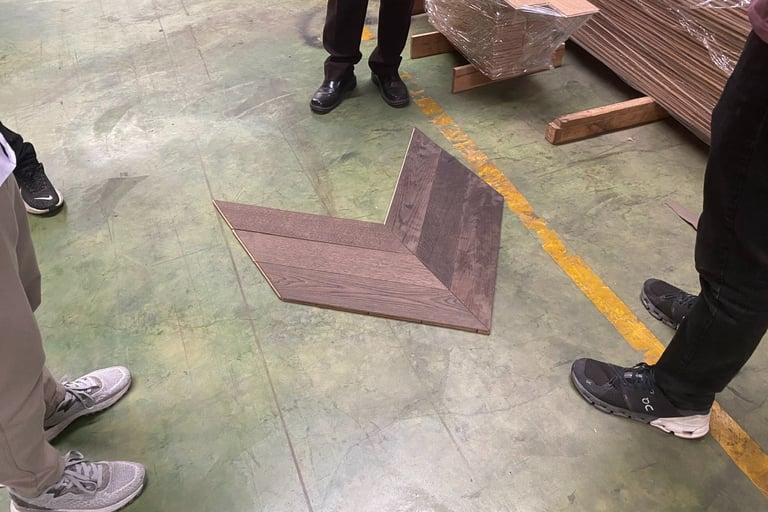
Mora Supply works with experienced wood flooring manufacturers in Vietnam to support international commercial and residential projects.
Our services include:
Supplier selection
Product sourcing
Sample coordination
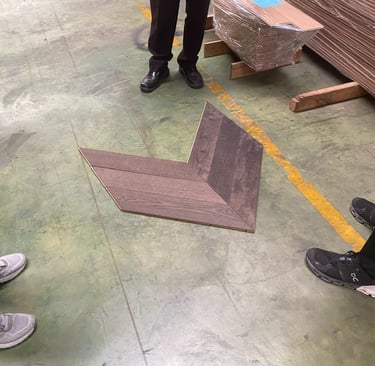
Factory evaluation
Quality control
Production monitoring
Export coordination


By working closely with manufacturers throughout production, we help buyers receive flooring solutions that meet both technical specifications and project timelines.
Both engineered wood flooring and solid wood flooring offer excellent performance when selected for the right application.
For most hotels, offices, retail spaces, and large commercial developments, engineered wood flooring provides the best balance of stability, installation efficiency, and long-term performance.
Solid wood flooring remains an excellent option for premium projects where traditional craftsmanship and long-term refinishing are key priorities.
Rather than asking which product is universally better, buyers should evaluate which flooring solution best aligns with the performance, maintenance, and design requirements of their specific project.
Start Your Project with Mora!
Share your requirements and get a quotation from Mora
Contact
Tailored materials for immersive luxury.
hello@moracrafted.com
+84 767 45 2290
© 2025. All rights reserved.
45 Vo Thi Sau, Tan Dinh, District 1, Ho Chi Minh City (Saigon)