Quality Control for Building Materials Manufactured in Vietnam
Mora Vietnam | Building Materials Supplier


Ensuring Consistent Quality for International Construction and Interior Projects
Vietnam has become a leading sourcing destination for building materials, furniture, and interior products for international markets. Buyers around the world increasingly rely on Vietnamese manufacturers for natural stone, wood products, doors, cabinets, furniture, and other construction materials due to competitive pricing, manufacturing expertise, and strong export capabilities.
Even when working with experienced suppliers, international buyers need effective quality control procedures to ensure products meet specifications, maintain consistency, and arrive ready for installation.
This article explores the importance of quality control when sourcing building materials from Vietnam and outlines best practices for minimizing risk throughout the manufacturing process.
However, regardless of product category, quality remains one of the most important factors in successful project execution.
Why Quality Control Matters
For commercial construction and interior projects, quality issues can create significant challenges.
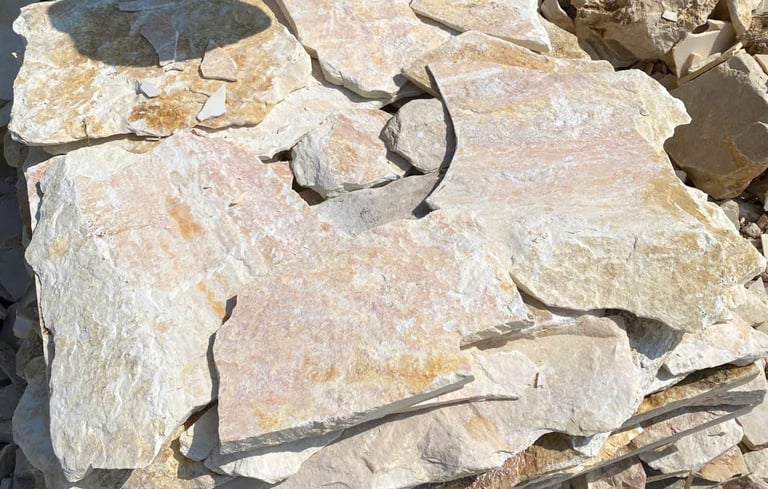
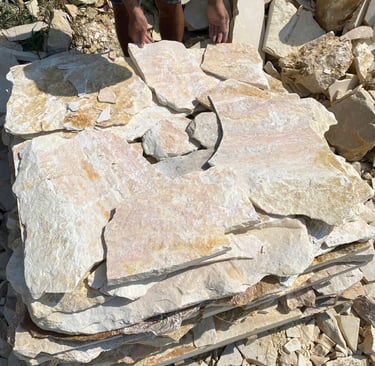
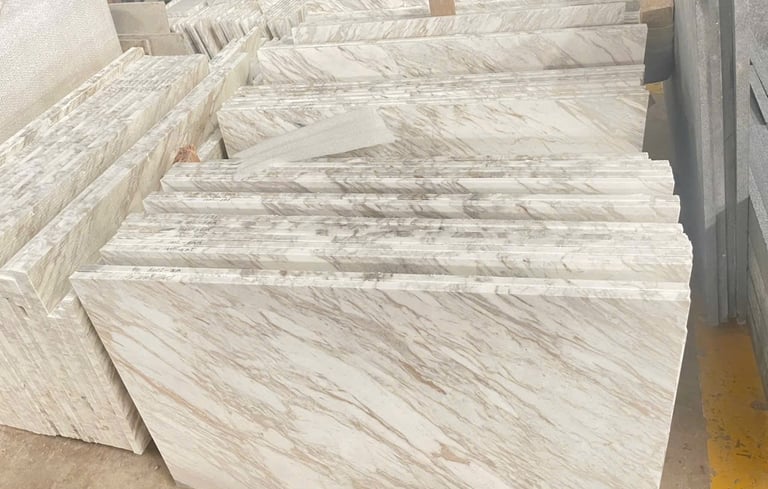
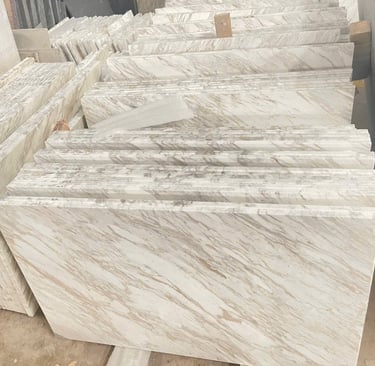
Potential consequences include:
Project delays
Rework costs
Material replacement expenses
Installation problems
Client dissatisfaction
Damage to project reputation
Implementing a structured quality control process helps identify and resolve issues before products leave the factory.
Unlike consumer products, building materials are often integrated into larger construction schedules. A quality issue affecting one shipment can impact multiple project phases.
Common Quality Challenges in Building Materials Manufacturing
While Vietnam has many highly capable manufacturers, quality challenges can occur if production is not properly monitored.
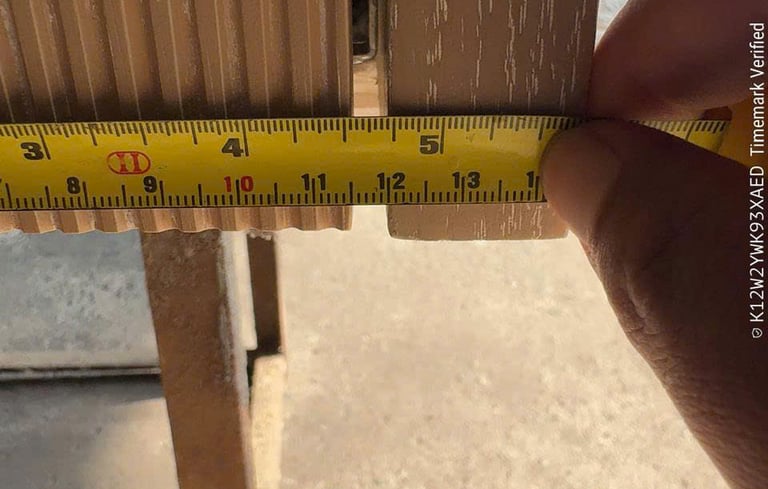
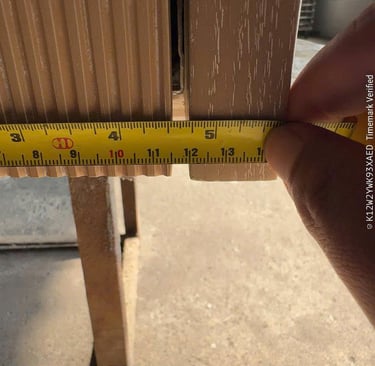
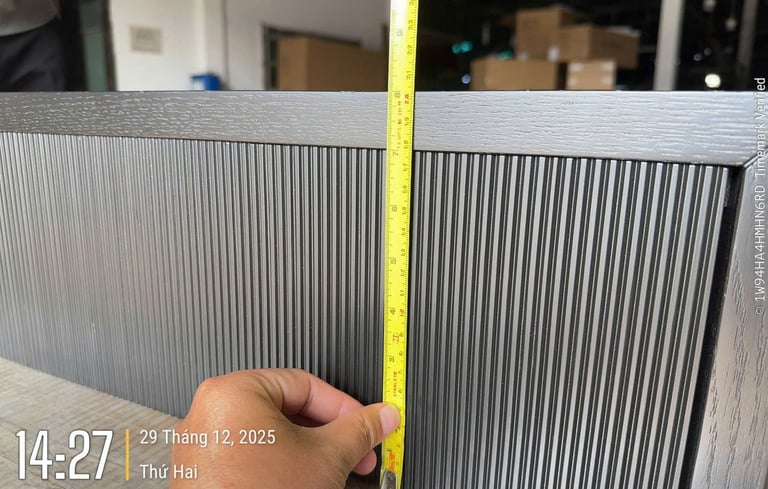
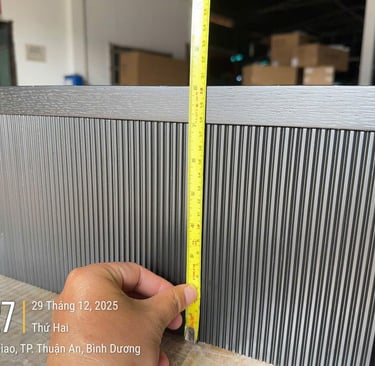
1. Dimensional Variations
Products may differ from approved specifications due to manufacturing tolerances or production errors.
Examples include:
Stone thickness inconsistencies
Incorrect panel dimensions
Cabinet size variations
Door frame alignment issues
Even small dimensional discrepancies can create installation challenges on-site.
Without clear controls, manufacturers may occasionally use alternative materials when facing supply shortages or cost pressures.
Potential examples include:
Different stone grades
Alternative wood species
Lower-grade hardware
Unapproved finishing materials
3. Surface and Finish Defects
Building materials often require consistent finishes to achieve the desired architectural appearance.
Common defects include:
Color variation
Surface scratches
Uneven coatings
Staining
Polishing inconsistencies
2. Material Substitution
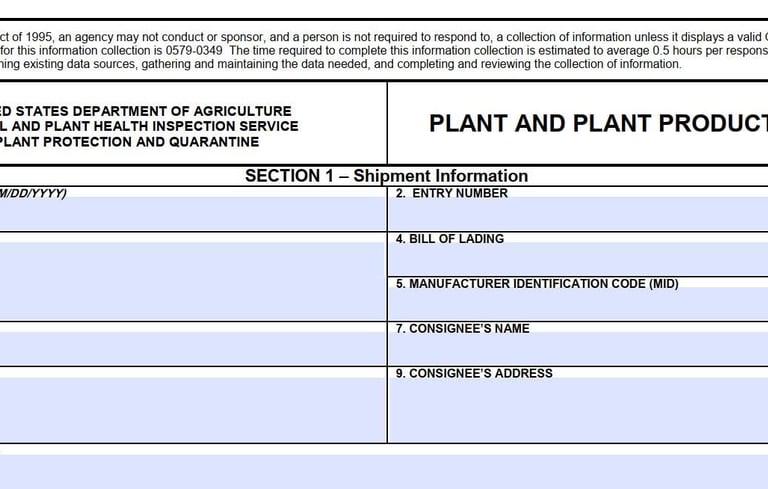
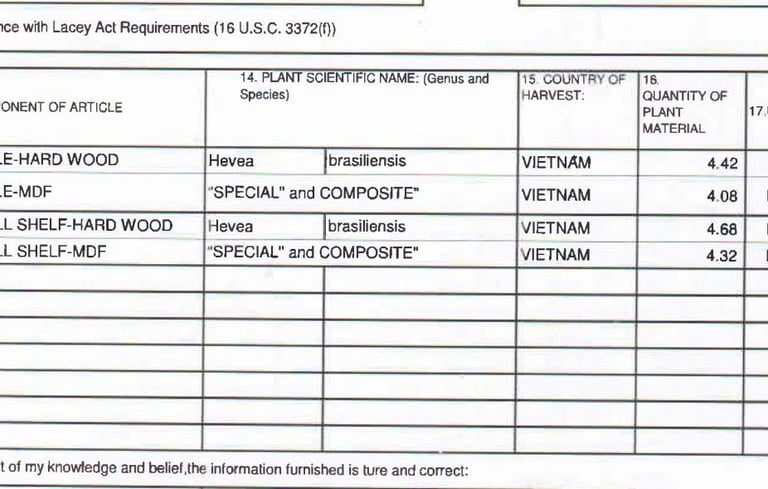
Material substitutions can affect performance, appearance, and compliance requirements.
For large commercial projects, consistency across multiple production batches is especially important.
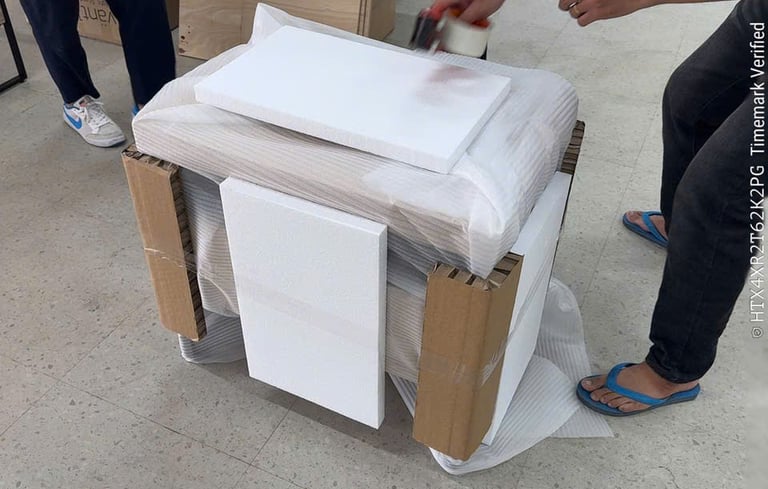
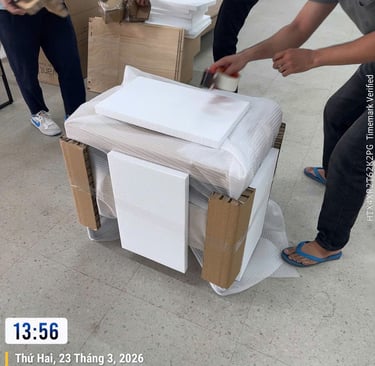
4. Packaging and Handling Damage
Quality control should include packaging inspections as well as product inspections.
Products may leave the factory in good condition but arrive damaged due to inadequate packaging.
Common issues include:
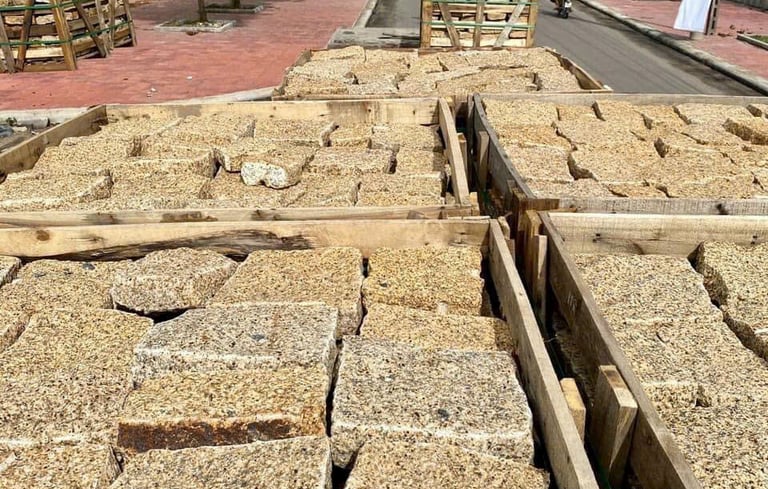
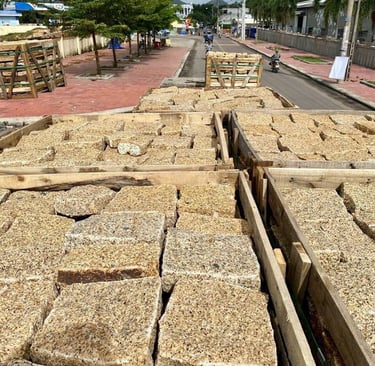
Broken stone pieces
Chipped edges
Scratched surfaces
Moisture damage
Improper palletization
Key Stages of Quality Control
Successful quality management begins long before the final shipment.
The most effective approach includes inspections throughout the manufacturing process.
1. Pre-Production Inspection
Before manufacturing begins, buyers should verify that all project requirements are clearly understood.
This stage typically includes:
Reviewing approved samples
Confirming technical drawings
Verifying material specifications
Confirming production schedules
Reviewing packaging requirements
2. Raw Material Verification
Raw materials have a direct impact on product quality.
Before production starts, manufacturers should verify:
Material grades
Dimensions
Moisture content
Color consistency
Compliance documentation
3. During Production Inspection
Many quality problems can be identified while production is still in progress.
During-production inspections allow buyers to verify:
Product dimensions
Manufacturing consistency
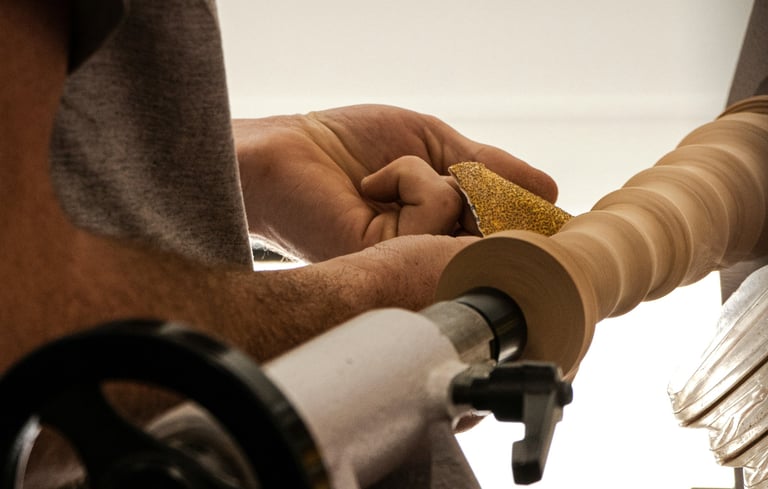
Workmanship quality
Finishing processes
Assembly accuracy
A thorough pre-production review reduces the likelihood of costly misunderstandings later.
For natural stone and wood products, raw material selection is often one of the most important quality factors.
Identifying issues early enables corrective action before the entire order is completed.
This approach is generally more cost-effective than waiting until final inspection.
4. Final Quality Inspection
Final inspection is typically conducted when production is completed and products are ready for shipment.
The inspection may include:
Final inspections help ensure that products meet project requirements before shipment approval.
Product Verification
Quantity Verification
Packaging Verification
Quality Control for Different Building Material Categories
Different products require different inspection priorities.
1. Natural Stone
Inspection areas often include:
Thickness tolerance
Color consistency
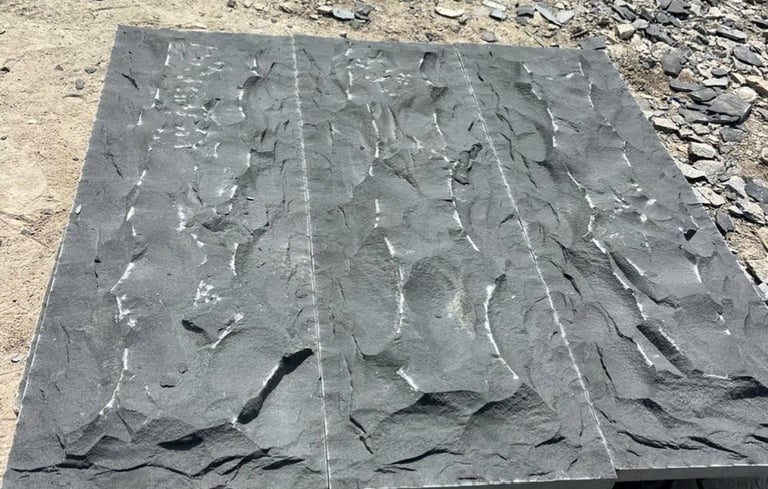
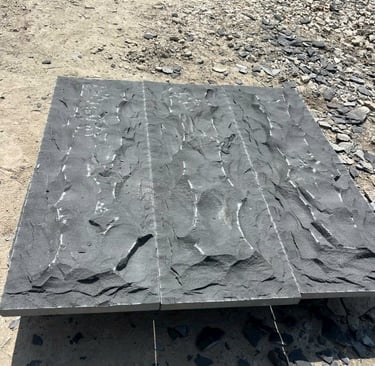
Surface finish
Edge quality
Crack detection
2. Wood Products
Inspection areas may include:
Moisture content
Surface quality
Joinery construction
Finish consistency
Material species verification
3. Doors and Millwork
Inspection priorities may include:
Dimensions
Hardware installation
Finish quality
Structural integrity
Packaging protection
4. Final Quality Inspection
Quality evaluations often focus on:
Construction quality
Finish appearance
Stability
Functional performance
Packaging standards
The Importance of Factory Communication
Quality control is not limited to inspections.
Effective communication with manufacturers is equally important.
Successful projects often involve:
Regular production updates
Technical clarification meetings
Sample approvals
Corrective action follow-up
Continuous progress monitoring
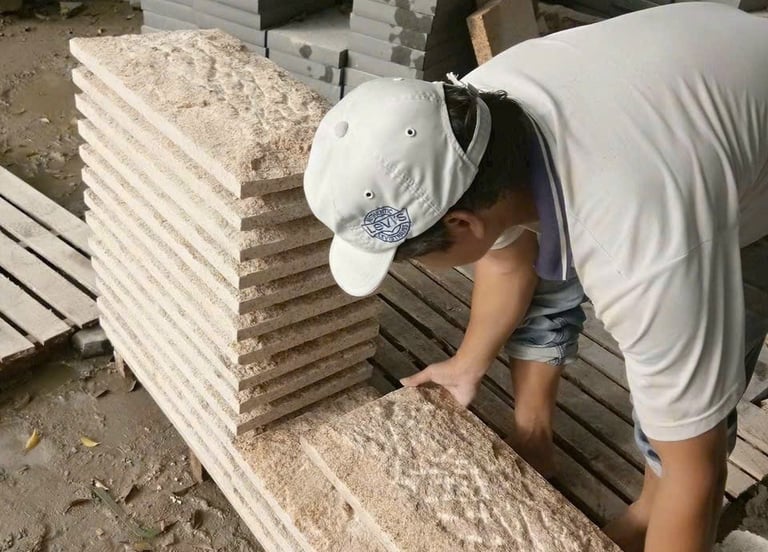
Strong communication helps prevent problems before they occur.
Building Long-Term Supplier Relationships
Quality control should not be viewed solely as an inspection process.
It should also support long-term supplier development.
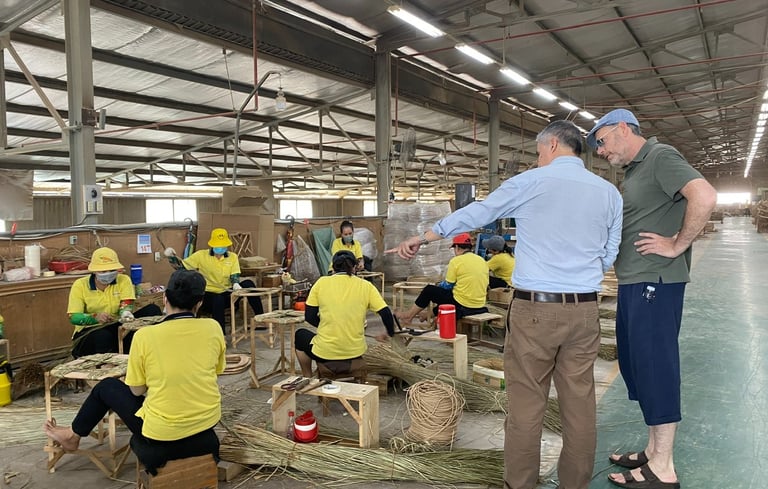
Reliable suppliers typically improve over time when buyers provide:
Clear specifications
Consistent feedback
Realistic expectations
Long-term business opportunities
Developing strong supplier relationships can improve both quality performance and production reliability.
How Mora Supply Supports International Buyers
At Mora Supply, we help international buyers manage quality throughout the sourcing and manufacturing process.
Our support includes:
Supplier evaluation
Factory verification
Sample coordination
Production monitoring
Quality inspections
Order management
Export coordination


By maintaining close communication with manufacturers and monitoring production progress, we help clients reduce risks and improve project outcomes.
Quality control is a critical component of sourcing building materials from Vietnam.
Whether purchasing natural stone, wood products, furniture, doors, or other construction materials, buyers should implement a structured quality management process that begins before production and continues through shipment.
By combining supplier evaluation, production monitoring, inspections, and effective communication, international buyers can achieve greater consistency, reduce project risks, and build stronger supply chains.
For commercial construction and interior projects, investing in quality control is often one of the most effective ways to protect both project timelines and long-term business success.
Start Your Project with Mora!
Share your requirements and get a quotation from Vietnam-based suppliers.
Contact
Tailored materials for immersive luxury.
hello@moracrafted.com
+84 767 45 2290
© 2025. All rights reserved.
45 Vo Thi Sau, Tan Dinh, District 1, Ho Chi Minh City (Saigon)