How to Source Building Materials for Commercial Projects in Vietnam
Mora Vietnam | Building Materials Supplier


Building Materials Supply for Commercial Projects from Vietnam
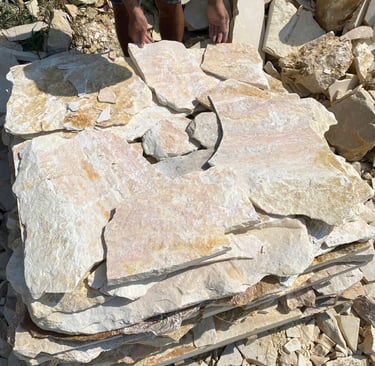
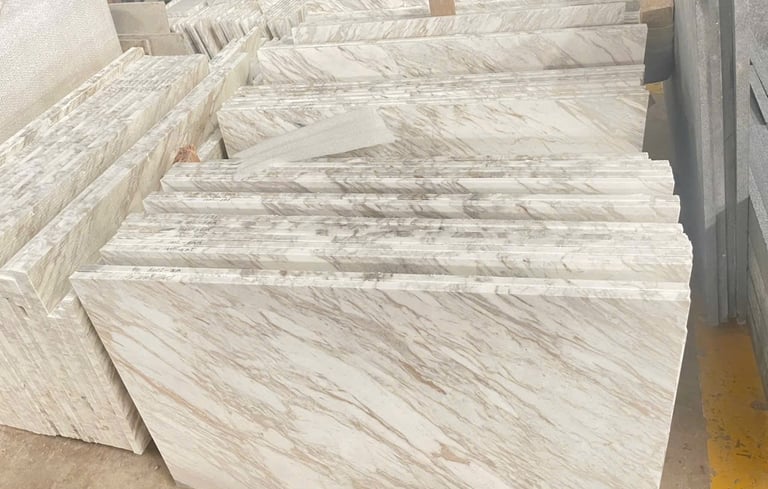
As Vietnam continues to strengthen its position as a global manufacturing and export hub, more international developers, contractors, distributors, and procurement teams are looking to Vietnam as a reliable source for building materials. From natural stone and wood products to doors, furniture, and finishing materials, Vietnam offers competitive pricing, skilled manufacturing, and strong export capabilities.
However, sourcing building materials for commercial projects involves much more than simply finding a supplier. Ensuring product quality, meeting project specifications, managing production timelines, and coordinating international logistics are all critical factors for project success.
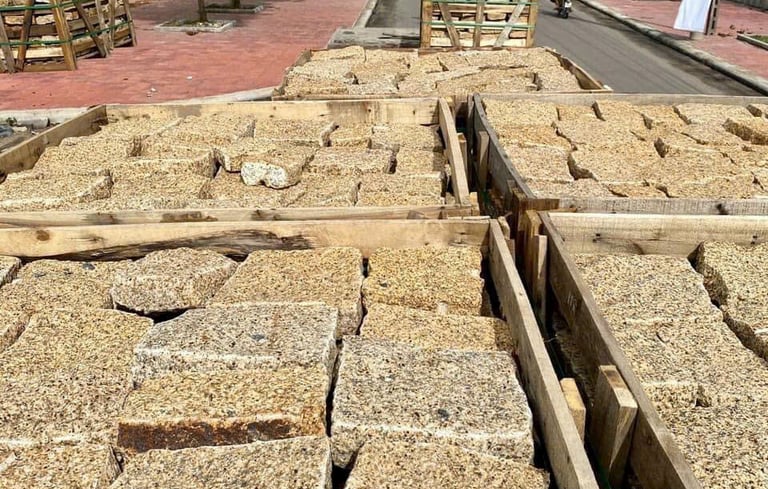
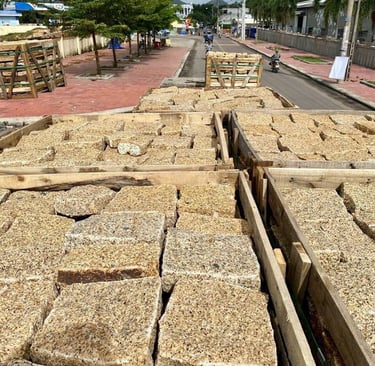
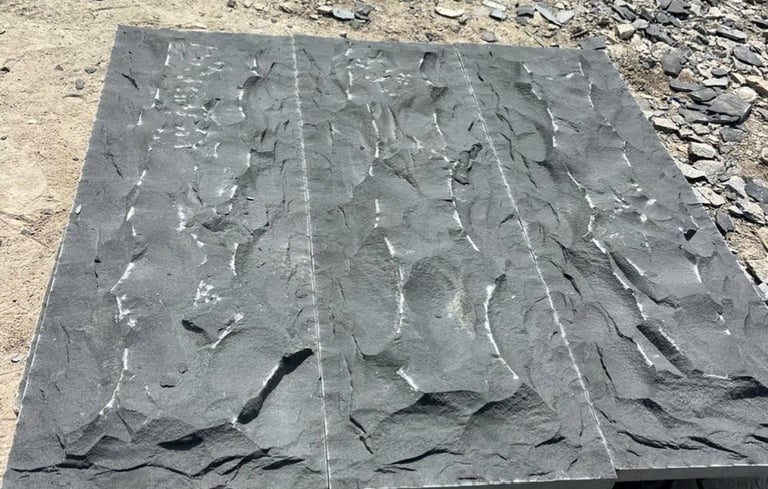
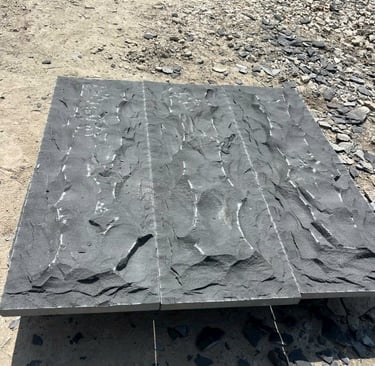
This guide outlines the key steps international buyers should follow when sourcing building materials for commercial projects in Vietnam.
Why Source Building Materials from Vietnam?
Vietnam has become an attractive sourcing destination for construction and interior project materials due to several advantages:

Competitive manufacturing costs
Strong export experience to North America, Europe, Australia, and the Middle East
Skilled workforce and established manufacturing sectors
Access to natural resources such as stone, timber, and other raw materials
Growing compliance with international quality and sustainability standards
Diversification opportunities for companies seeking alternatives to China
For commercial projects, Vietnam offers a broad range of building materials suitable for hospitality, residential, retail, office, and public infrastructure developments.
Step 1: Define Project Requirements Clearly
Before approaching suppliers, buyers should establish detailed project requirements.
1. Product Specifications
Define:
Material type
Dimensions
Finishes
Performance requirements
Packaging requirements
For example, natural stone may require specific thickness tolerances, while wood products may need FSC-certified materials or moisture content specifications.
Determine:
Initial order volume
Future project phases
Annual purchasing forecasts
3. Compliance Standards
Different markets may require compliance with:
ASTM standards
EN standards
FSC certification
CARB requirements
TSCA compliance
Fire-rating standards
2. Quantity Requirements
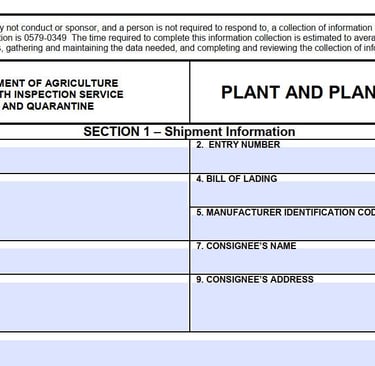
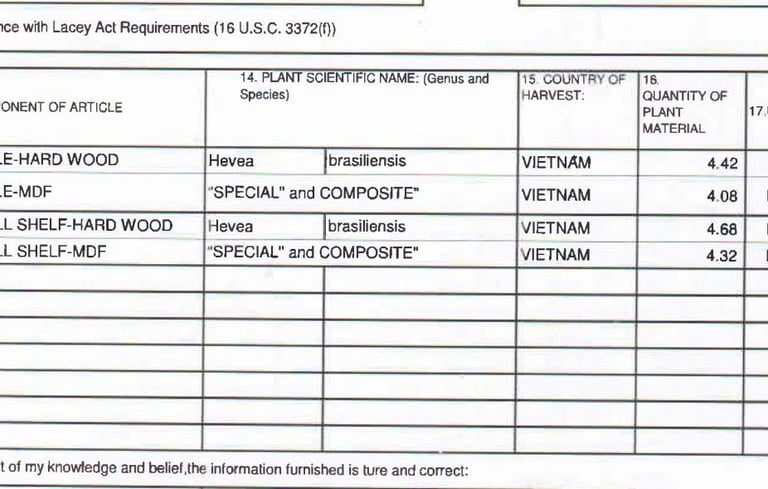
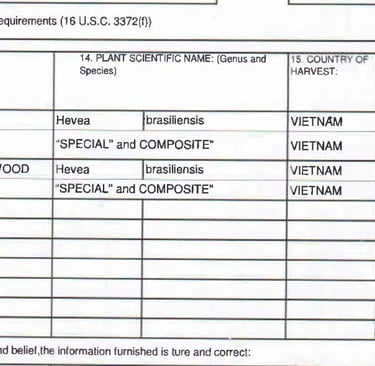
Providing realistic volume estimates helps suppliers offer more accurate pricing and production planning.
Clarifying these requirements early helps avoid costly delays later.
Step 2: Identify Qualified Suppliers
Finding suppliers is relatively easy. Finding reliable suppliers is much more challenging.
When evaluating manufacturers, consider:
Manufacturing Experience
Look for suppliers with experience serving international markets and commercial projects.
Questions to ask:
Which countries do they currently export to?
What project references can they provide?
How long have they been manufacturing the product?
Production Capacity
Ensure the factory can support:
Required order quantities
Project deadlines
Future scaling requirements
Commercial projects often require consistent production over multiple phases.
Export Experience
Suppliers with export experience typically understand:
International packaging requirements
Documentation procedures
Quality expectations
Shipping coordination
This can significantly reduce project risks.

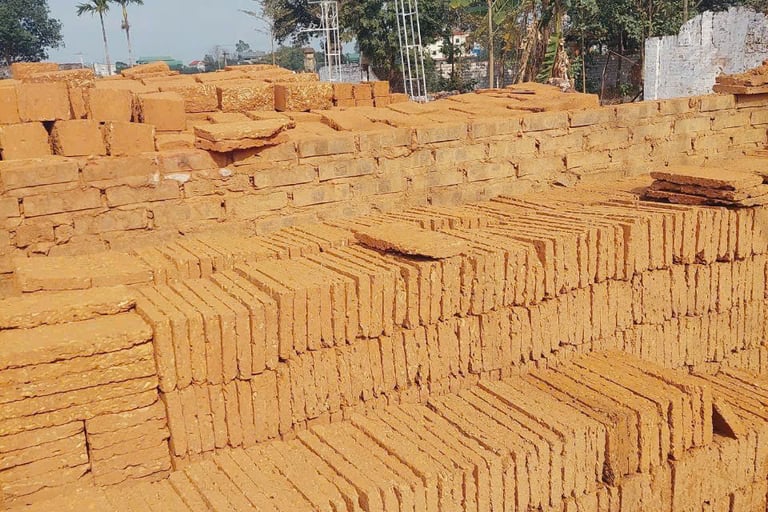
Step 3: Request Samples and Conduct Product Evaluation
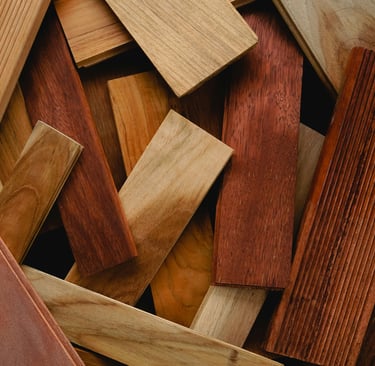
Never make a sourcing decision based solely on photos or catalogs.
Product samples help verify:
Material quality
Finish consistency
Craftsmanship
Color variation
Packaging quality
For larger projects, buyers may also request mock-ups or pre-production samples before approving full production.
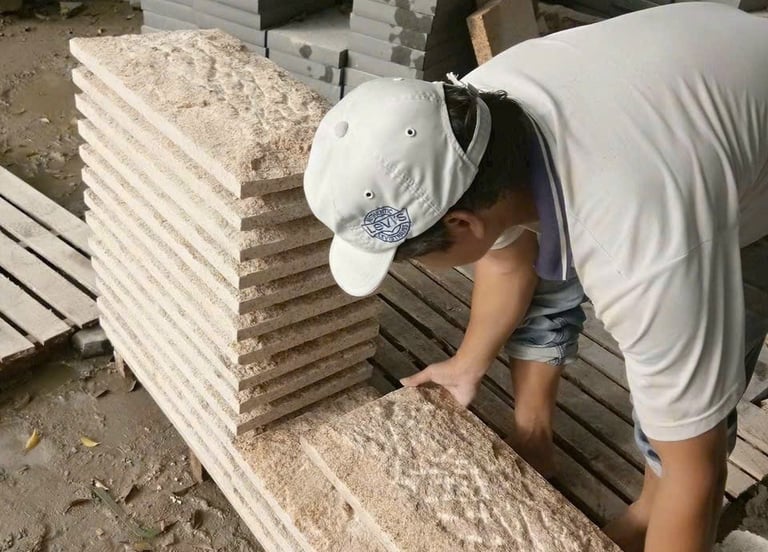
A thorough sample evaluation can prevent expensive issues during manufacturing.
Step 4: Verify Factory Capabilities
Factory verification is one of the most important stages of sourcing.
A supplier may offer attractive pricing, but production capability must be validated.
Areas to evaluate include:
Pre-Production Inspection
Verify:
Raw materials
Technical drawings
Approved samples
Production plans
During Production Inspection
Monitor:
Manufacturing consistency
Workmanship
Dimensions
Finishes
Final Inspection
Before shipment, confirm:
Quantity
Product quality
Packaging
Labeling
Loading readiness
A structured quality control process reduces the risk of receiving non-conforming products.
Step 6: Manage Production and Communication
Commercial projects often involve tight schedules and multiple stakeholders.
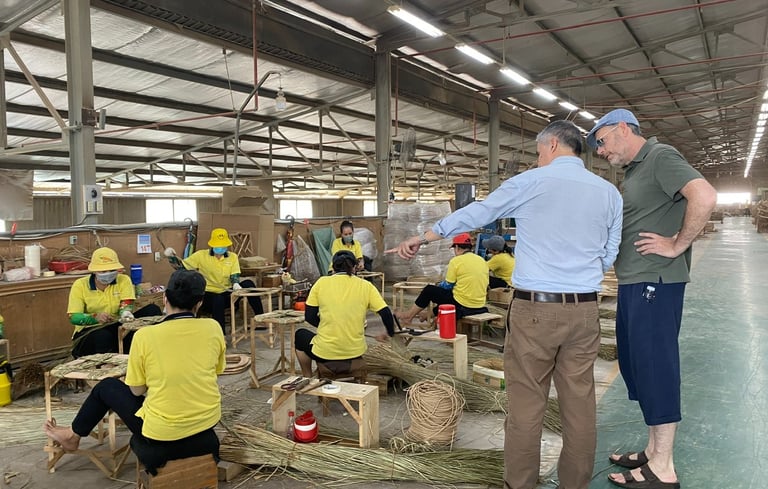
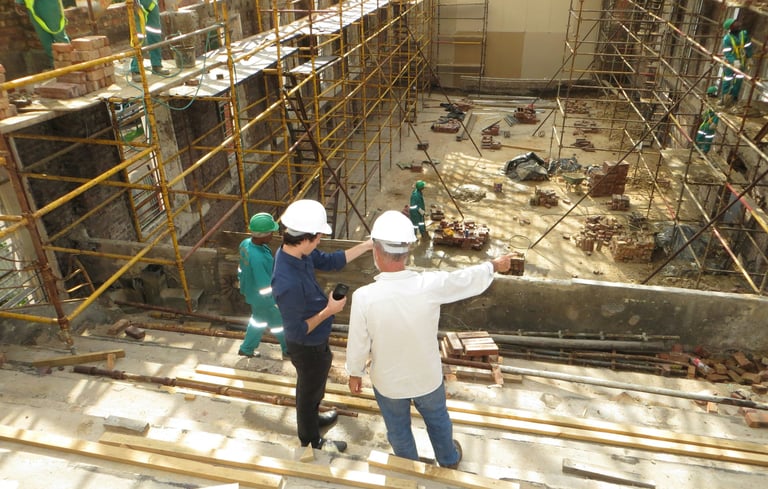
Effective supplier communication helps ensure:
Production stays on schedule
Design revisions are implemented correctly
Potential issues are identified early
Shipment dates remain aligned with project timelines
Regular progress reporting and milestone tracking can help buyers maintain visibility throughout the manufacturing process.
Step 7: Plan Logistics and Export Documentation
International shipping requires careful coordination.
Buyers should confirm:
Shipping Terms
Common options include:
EXW
FOB
CIF
DDP
Each option offers different levels of responsibility and cost allocation.
Documentation Requirements
Typical export documents may include:
Commercial Invoice
Packing List
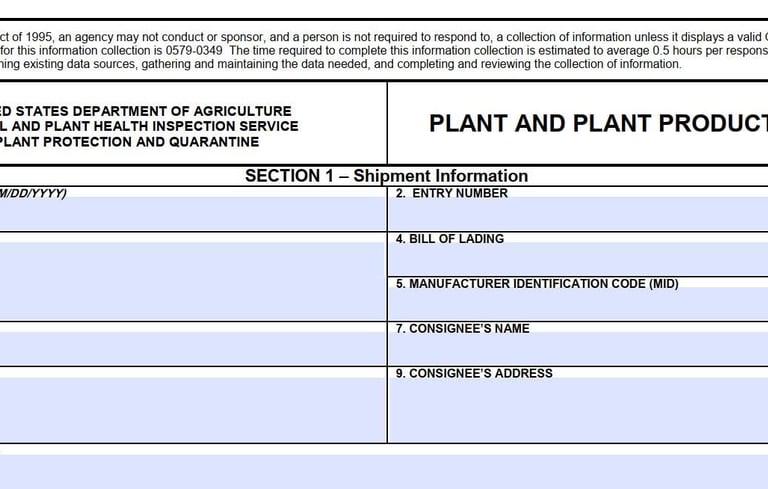
Bill of Lading
Certificate of Origin
Fumigation Certificates (when required)
Compliance documentation
Proper documentation helps avoid customs delays and unexpected costs.
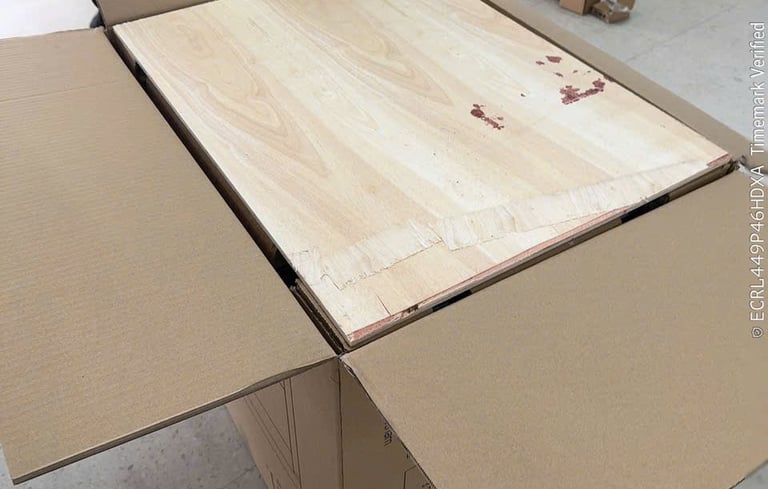


Common Challenges When Sourcing Building Materials in Vietnam
While Vietnam offers many advantages, buyers should be aware of potential challenges:
Inconsistent quality between suppliers
Miscommunication regarding specifications
Production delays during peak seasons
Packaging that does not meet export requirements
Lack of project management support
Working with experienced suppliers and maintaining clear communication can significantly reduce these risks.

How Mora Supply Supports International Buyers
At Mora Supply, we help international buyers source building materials and furniture for commercial projects in Vietnam.
Our team works directly with manufacturers to support:
Supplier selection
Product development
Sample coordination
Factory verification
Quality control
Order management
Export coordination


By combining local market knowledge with project-focused support, we help clients reduce sourcing risks and improve supply chain reliability.
Vietnam offers excellent opportunities for sourcing building materials for commercial projects, but successful sourcing requires careful planning, supplier evaluation, quality management, and logistics coordination.
By following a structured sourcing process, international buyers can secure reliable suppliers, maintain product quality, and deliver projects on time and within budget.
Whether you are sourcing natural stone, wood products, furniture, doors, or other construction materials, choosing the right supply partner can make a significant difference in project success.
Need support sourcing building materials from Vietnam? Contact Mora Supply to discuss your project requirements and explore reliable supply solutions tailored to your needs.
Start Your Project with Mora!
Share your requirements and get a quotation from Vietnam-based suppliers.
Contact
Tailored materials for immersive luxury.
hello@moracrafted.com
+84 767 45 2290
© 2025. All rights reserved.
45 Vo Thi Sau, Tan Dinh, District 1, Ho Chi Minh City (Saigon)