Exporting Building Materials from Vietnam: A Guide for International Buyers
Mora Vietnam | Building Materials Supplier


What Happens After You Place the Order?
Many buyers focus heavily on product specifications, pricing, and supplier selection. While these factors are important, they represent only part of a successful sourcing strategy.
Even a well-manufactured product can become a costly problem if any of these stages are overlooked.
For project developers, contractors, distributors, and procurement teams, understanding the export process helps reduce delays, improve supply chain visibility, and ensure materials arrive ready for installation.
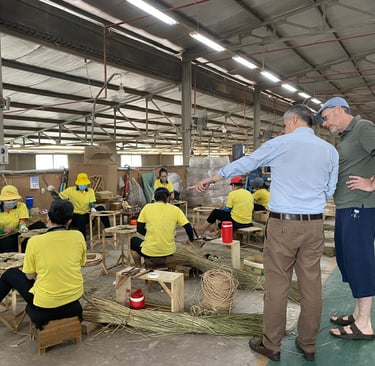
The journey from a Vietnamese factory to a construction site overseas involves multiple stages, including production management, quality inspections, export packaging, documentation, shipping, and customs clearance.
In this guide, we explore the key considerations for exporting building materials from Vietnam and how buyers can avoid common mistakes throughout the process.
Why International Buyers Choose Vietnam
Vietnam continues to attract buyers from North America, Europe, Australia, and the Middle East for several reasons.

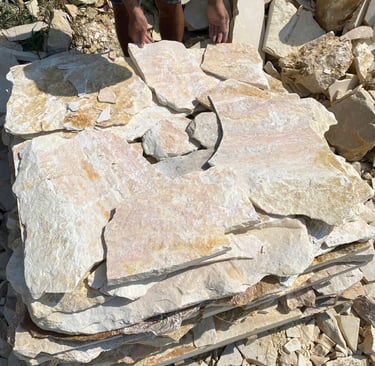
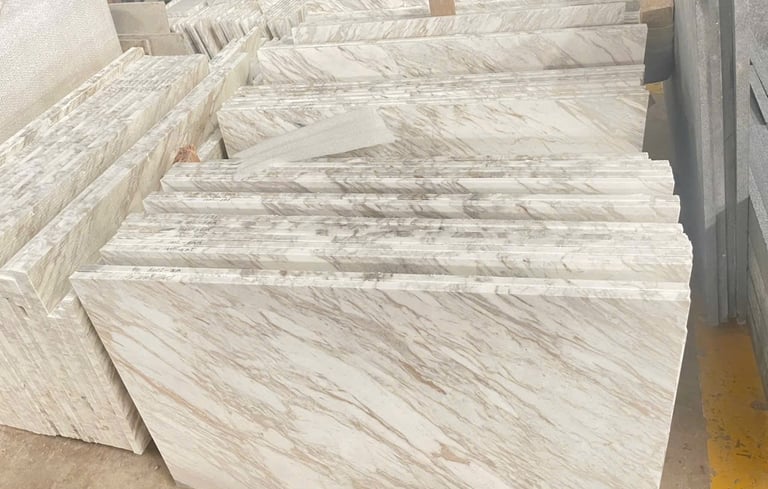
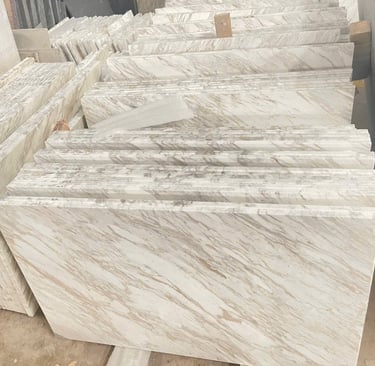
Key advantages include:
Competitive manufacturing costs
Strong export infrastructure
Experienced manufacturing base
Diverse product categories
Skilled workforce
Growing compliance with international standards
Supply chain diversification opportunities
These advantages make Vietnam an attractive sourcing destination for companies seeking reliable building material suppliers for international projects.
Agree on Shipping Terms Before Production Starts
One of the most common mistakes buyers make is discussing logistics too late in the process
Shipping terms influence:
Product pricing
Freight responsibilities
Insurance coverage
Customs obligations
Delivery timelines
For this reason, Incoterms should be discussed during quotation and supplier negotiations.
Questions buyers should clarify include:
Is pricing based on EXW, FOB, CIF, or DDP?
Who arranges ocean freight?
Who handles customs clearance?
Who is responsible for cargo insurance?
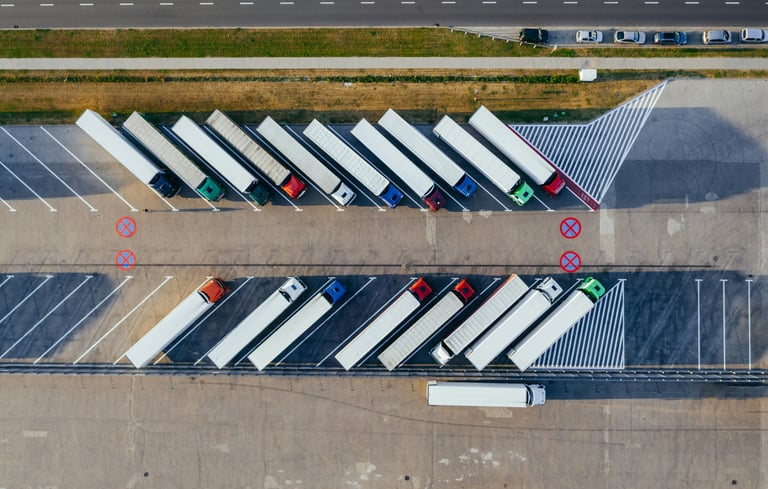
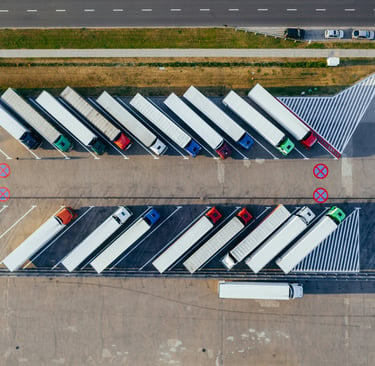
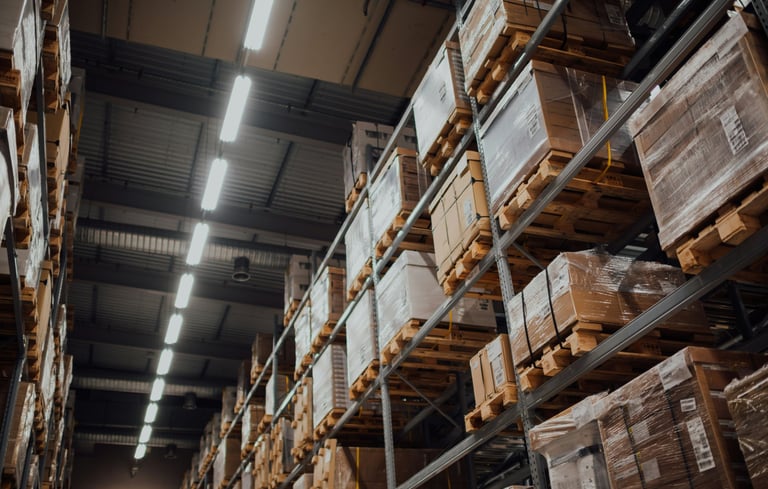
Establishing these responsibilities early helps avoid unexpected costs later.
Product Specifications Are Only Half of the Requirement
Many disputes occur because buyers focus heavily on product specifications while overlooking packaging and shipment requirements.
For example:
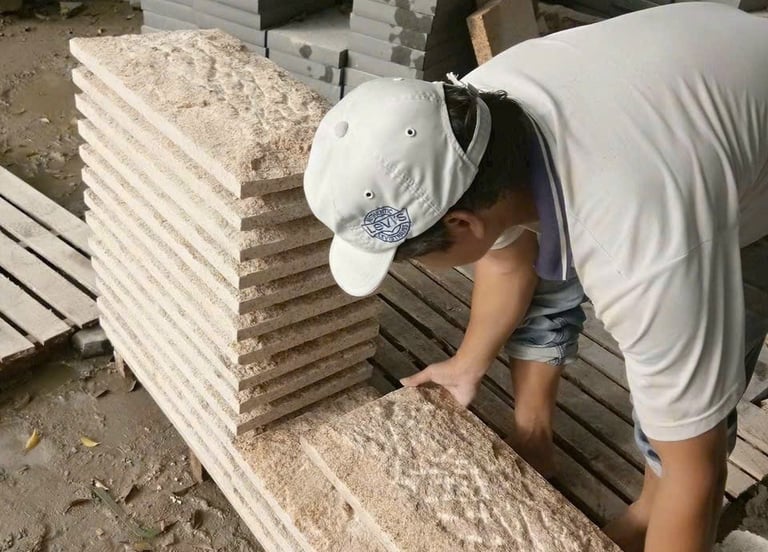
A natural stone supplier may manufacture the correct product but use packaging unsuitable for long-distance transportation.
Project requirements should therefore include:
Product specifications
Packaging standards
Labeling requirements
Loading instructions
Container utilization expectations
Similarly, furniture may meet approved specifications but arrive with surface damage due to inadequate protection.
These details should be approved before production begins.
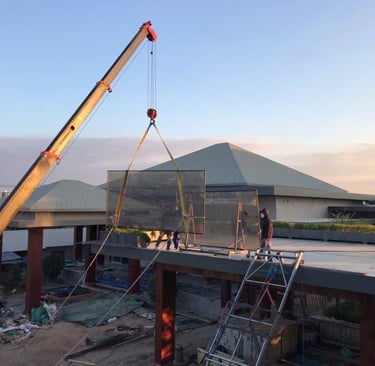
Quality Control Should Be Integrated Throughout Production
Waiting until production is complete to inspect products creates unnecessary risk.
By the time a defect is discovered, corrective actions may be expensive and time-consuming.
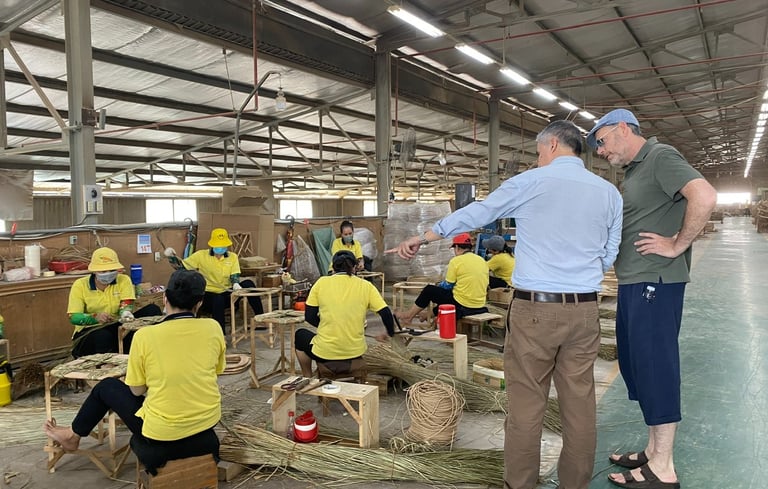
Successful buyers typically monitor quality at multiple stages:
1. Before Production
Confirm:
Raw materials
Approved samples
Technical drawings
2. During Production
Verify:
Manufacturing consistency
Workmanship
Finishing quality
3. Before Shipment
Confirm:
Final quality
Quantities
Packaging
Shipment readiness




Export Documentation Is Often Overlooked Until It Becomes a Problem
Many first-time importers underestimate the importance of export documentation.
Even a small documentation error can delay customs clearance.
Depending on the destination market, buyers may require:
Commercial Invoice
Packing List
Bill of Lading
Certificate of Origin
Fumigation Certificate
Product compliance documentation
Documentation requirements should be reviewed before production begins rather than after goods are ready to ship.
Container Planning Can Affect Both Cost and Product Safety
Container loading is not simply a logistics activity.
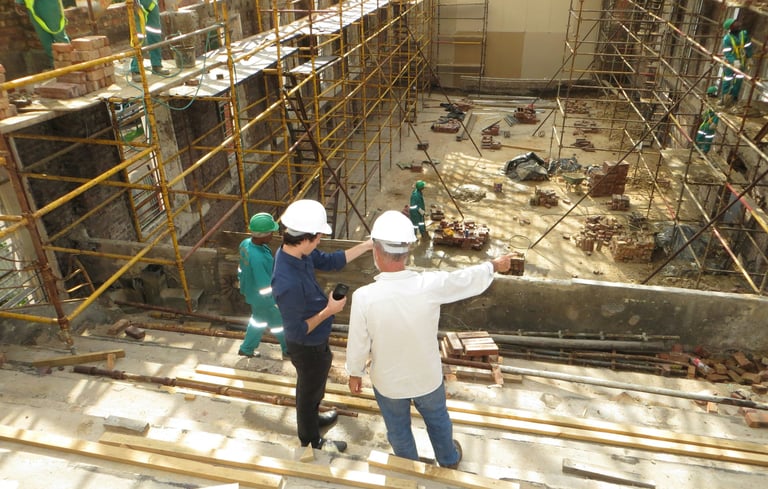
It directly impacts:
Shipping costs
Product protection
Delivery efficiency
Poor container planning can result in:
Wasted freight costs
Product movement during transit
Packaging failures
Increased breakage
For heavy products such as natural stone, proper loading plans are particularly important.
Many experienced buyers request loading photos and container reports before shipment release.
Production Delays Often Have Nothing to Do With Manufacturing
When buyers think about delays, they often imagine factory production problems.
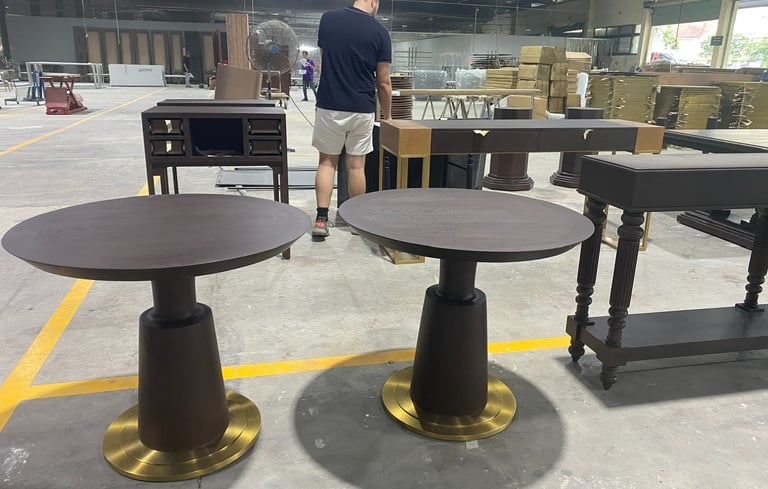
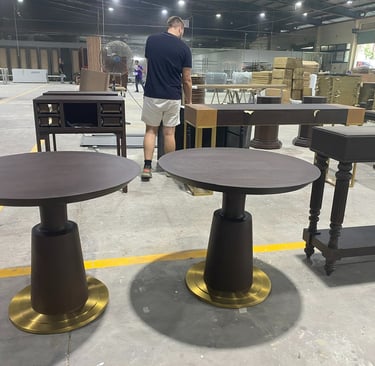
In reality, delays can originate from:
Material shortages
Design revisions
Packaging changes
Documentation issues
Shipping schedule adjustments
Managing these factors proactively often has a greater impact on delivery performance than simply monitoring production output.
Successful Export Projects Require Coordination, Not Just Manufacturing
The strongest suppliers understand that exporting is not only about producing goods.
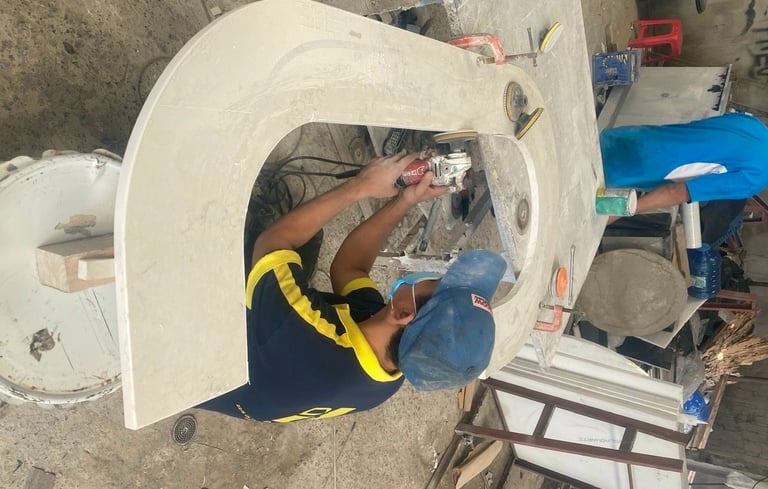
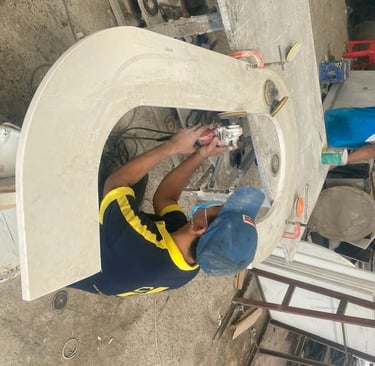
Successful project execution requires coordination between:
Buyers
Manufacturers
Quality inspectors
Freight forwarders
Customs brokers
Project teams
Each participant plays a role in ensuring products arrive on schedule and meet project expectations.
How Mora Supply Supports International Buyers
At Mora Supply, we help international buyers manage the entire process of supplying building materials and furniture from Vietnam.
Our team supports:
Supplier evaluation
Technical review
Sample development
Quality control
Packaging review
Production coordination
Export management
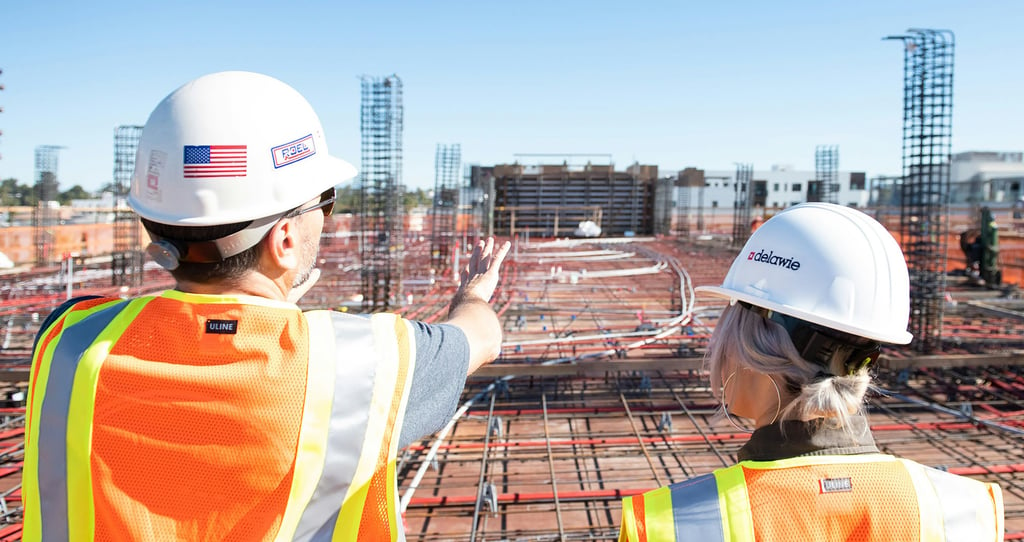
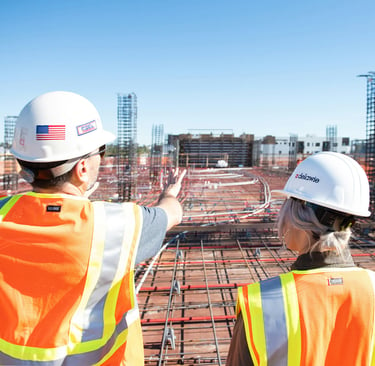
By managing these activities before problems occur, we help buyers reduce risk and improve project outcomes.
Start Your Project with Mora!
Share your requirements and get a quotation from Vietnam-based suppliers.
Contact
Tailored materials for immersive luxury.
hello@moracrafted.com
+84 767 45 2290
© 2025. All rights reserved.
45 Vo Thi Sau, Tan Dinh, District 1, Ho Chi Minh City (Saigon)